Roger Sanders
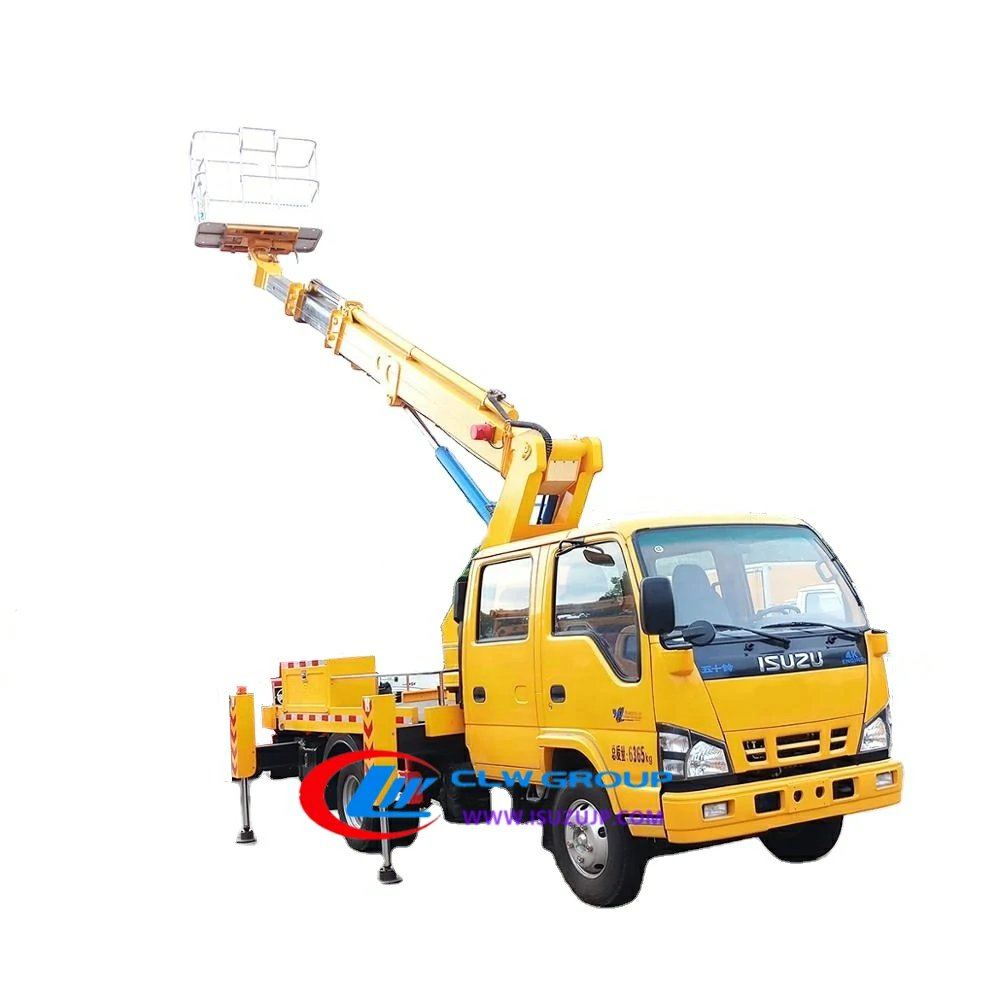
A lifter on a truck is a mechanism that enhances the vehicle’s capability to lift and transport heavy loads efficiently. This essential component plays a crucial role in various industries, from transport and logistics to construction and agriculture. By providing the necessary lifting power, a lifter empowers trucks to handle bulky goods with ease, increasing productivity and reducing manual labor. Understanding how a lifter works and its different types can greatly benefit those working in sectors that rely heavily on truck transportation. Let’s delve deeper into the world of lifters on trucks to grasp their significance and functionality.

Exploring What is a Lifter on a Truck
Welcome, young readers, to a fascinating journey into the world of trucks and their amazing features! Today, we are going to delve into the exciting topic of lifters on trucks – a crucial component that helps these mighty vehicles do their job efficiently. So, buckle up and let’s explore the wonders of lifters on trucks together!
What is a Lifter on a Truck?
First things first, let’s understand what exactly a lifter on a truck is. A lifter, also known as a liftgate, is a mechanical device installed on the rear end of a truck. Its primary function is to lift heavy loads onto the truck bed or lower them to the ground safely. Imagine it as a helping hand that assists in loading and unloading goods, making the whole process much easier and quicker.
Types of Lifters
There are different types of lifters used on trucks, each serving a specific purpose. One common type is the hydraulic liftgate, which uses hydraulic power to raise and lower loads. Then, there are power liftgates that are operated electronically, providing a convenient way to handle heavy items without much manual effort.
Another type is the railgate, which slides out and acts as a ramp for loading goods onto the truck bed. These lifters come in various sizes and weight capacities, catering to different types of trucks and cargo requirements.
How Does a Lifter Work?
Now, let’s take a peek into how a lifter on a truck actually works. When you need to load or unload something heavy, the lifter comes to the rescue. By pressing a button or activating a lever, the liftgate springs into action. It smoothly lifts the load off the ground or lowers it down gently, ensuring safe handling of goods.
Most lifters have controls that allow the operator to adjust the height and angle of the platform, making it easier to load items of various shapes and sizes. Some advanced lifters even come with safety features like sensors and alarms to prevent accidents during operation.
Importance of Lifters on Trucks
Now you might wonder, why are lifters so important for trucks? Well, think about all the heavy items that need to be transported from one place to another – furniture, appliances, groceries, you name it. Without lifters, loading and unloading these items would be a daunting task, requiring a lot of manual labor and time.
Lifters on trucks make the whole process more efficient and safe. They help in reducing the physical strain on workers, ensuring that goods are handled carefully without any damage. Whether it’s a moving company relocating your belongings or a delivery service bringing your online order, lifters play a crucial role in getting the job done smoothly.
Benefits of Using Lifters
There are numerous benefits to using lifters on trucks. Firstly, they save time by speeding up the loading and unloading process, allowing trucks to make more deliveries in a day. Secondly, lifters help in preventing injuries and accidents associated with manual lifting, promoting a safer work environment.
Moreover, lifters increase the efficiency of a truck’s operations, enabling businesses to handle larger and heavier loads with ease. This results in cost savings and improved productivity in the long run. Overall, lifters are a valuable addition to trucks, enhancing their capabilities and making them versatile for various tasks.
And there you have it, young readers! We’ve explored the fascinating world of lifters on trucks, learning about their types, working mechanisms, and importance. Next time you see a truck with a lifter at the back, remember the crucial role it plays in making our lives easier by simplifying the transportation of goods. Till next time, keep exploring and learning about the amazing machines around us!
That concludes our adventure into the world of lifters on trucks. Remember, the next time you see a truck with a lifter at the back, you’ll know just how important this little device is in making your everyday life more convenient. Exciting, isn’t it? Stay curious, young readers, and keep exploring the wonders of the world around you!
Stuck lifter on 5.3l Chevrolet engine
Frequently Asked Questions
What is a lifter on a truck?
A lifter on a truck, also known as a liftgate or tailgate lift, is a hydraulic or mechanical device installed at the rear of a truck that assists in loading and unloading heavy cargo by raising and lowering it with ease.
How does a lifter on a truck work?
A lifter on a truck typically operates using hydraulics or mechanical mechanisms controlled by the driver. When activated, the liftgate extends outward, allowing the user to roll or slide heavy items onto it. The lifter then raises the cargo to the truck bed level, making loading and unloading efficient.
Why is a lifter important for trucks transporting goods?
A lifter on a truck plays a crucial role in facilitating the safe and efficient movement of heavy cargo. It reduces manual labor, minimizes the risk of injuries to workers, and speeds up the loading and unloading process, improving overall productivity and customer satisfaction.
Final Thoughts
The lifter on a truck is a crucial component responsible for loading and unloading cargo efficiently. It is a hydraulic mechanism that lifts heavy objects onto the truck bed with ease. By utilizing a lifter on a truck, businesses can streamline their transportation processes and boost productivity. In essence, a lifter on a truck enhances operational efficiency and safety, making it an indispensable tool for various industries.